The University of Technology, Jamaica, hosted its annual Research, Technology and Innovation Day (RTID) on Thursday, March 12, 2026, at its Papine Campus. The all-day STEM-focused event spearheaded by the School of Graduate Studies, Research and Entrepreneurship was held under the theme, “Impactful STEM Research for Powering Development.”
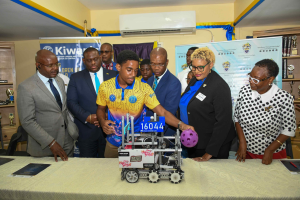
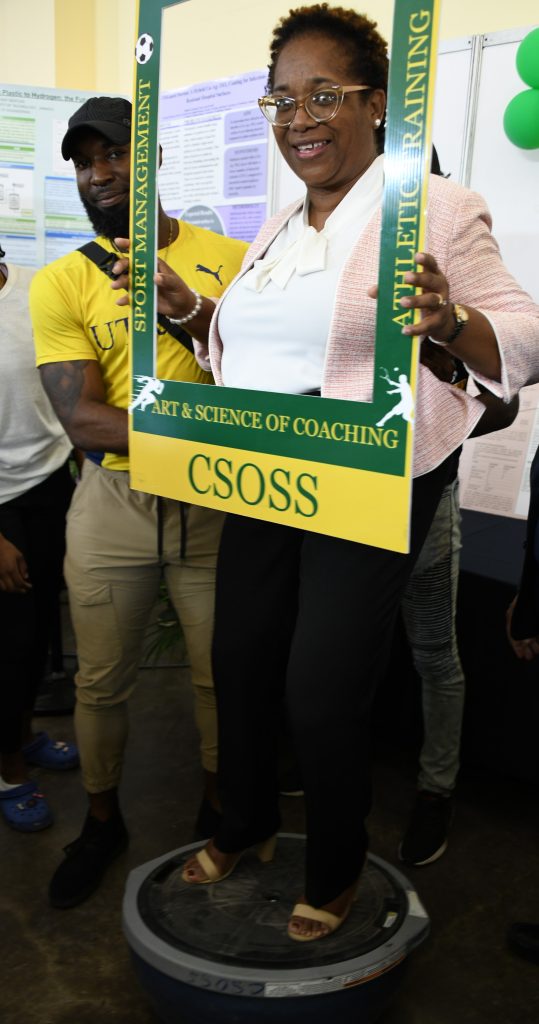
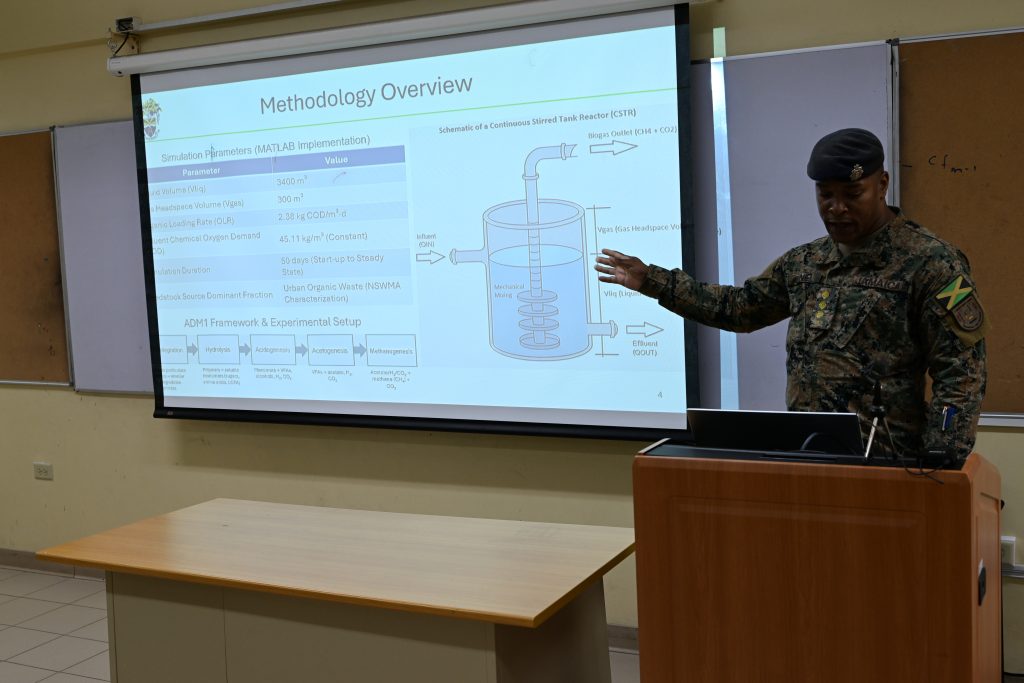
The day’s events included an opening ceremony, interactive exhibits showcasing research and innovation being undertaken by the university’s eight academic units, and a Speakers’ Forum involving a number of research presentations by researchers from across the university’s colleges and faculties.
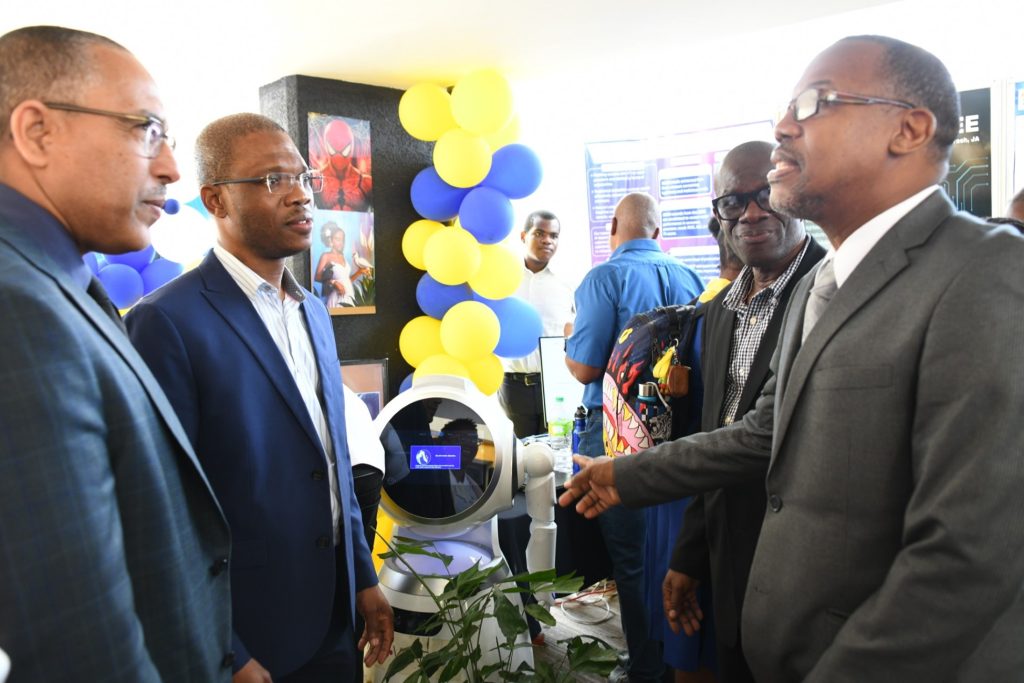
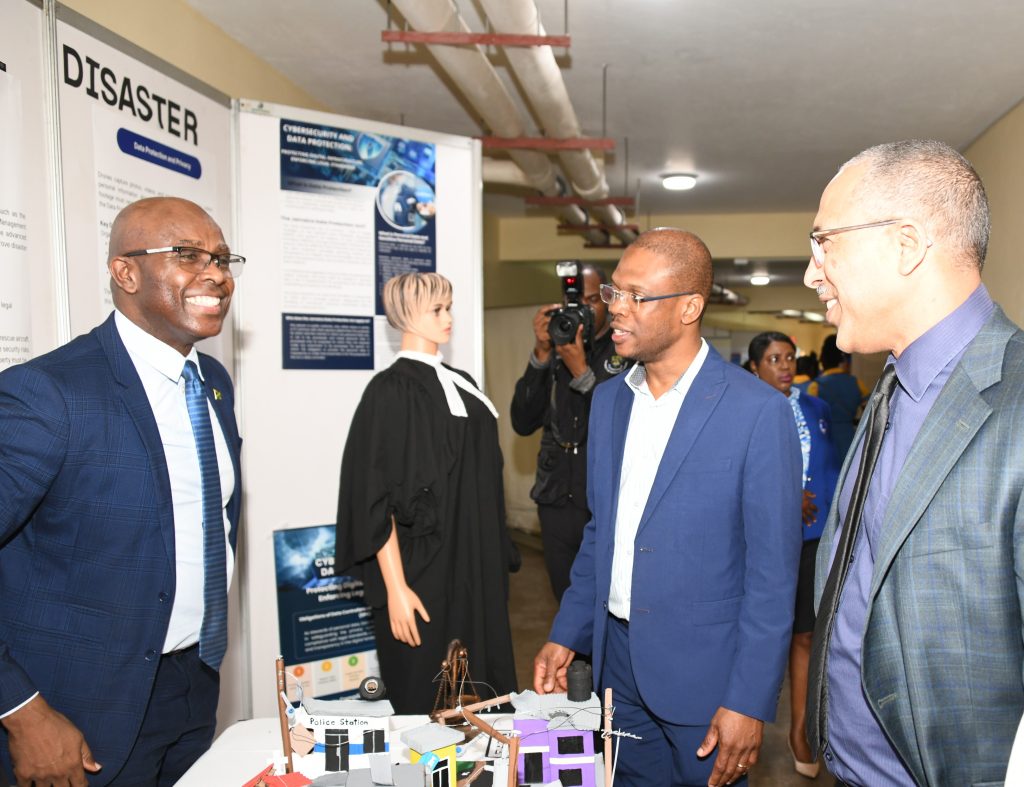
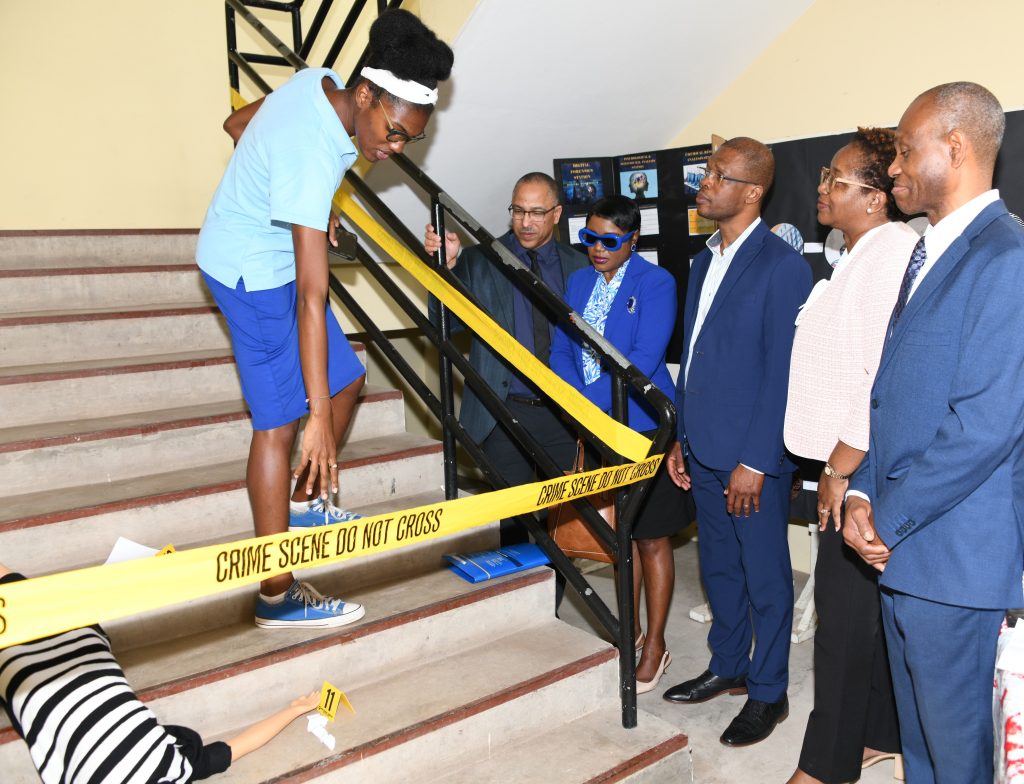
The exhibits showcased innovative projects, including an exploration of digital reading habits and social media use among Jamaican adults, GIS-based strategies to improve emergency response in Portmore, and the potential of blockchain solutions to enhance cross-border payments as an alternative to traditional correspondent banking.
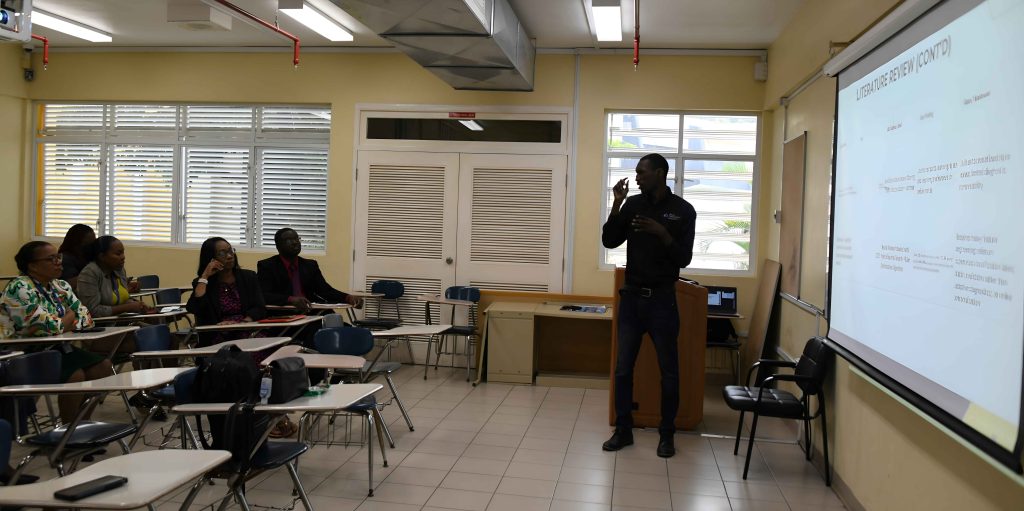
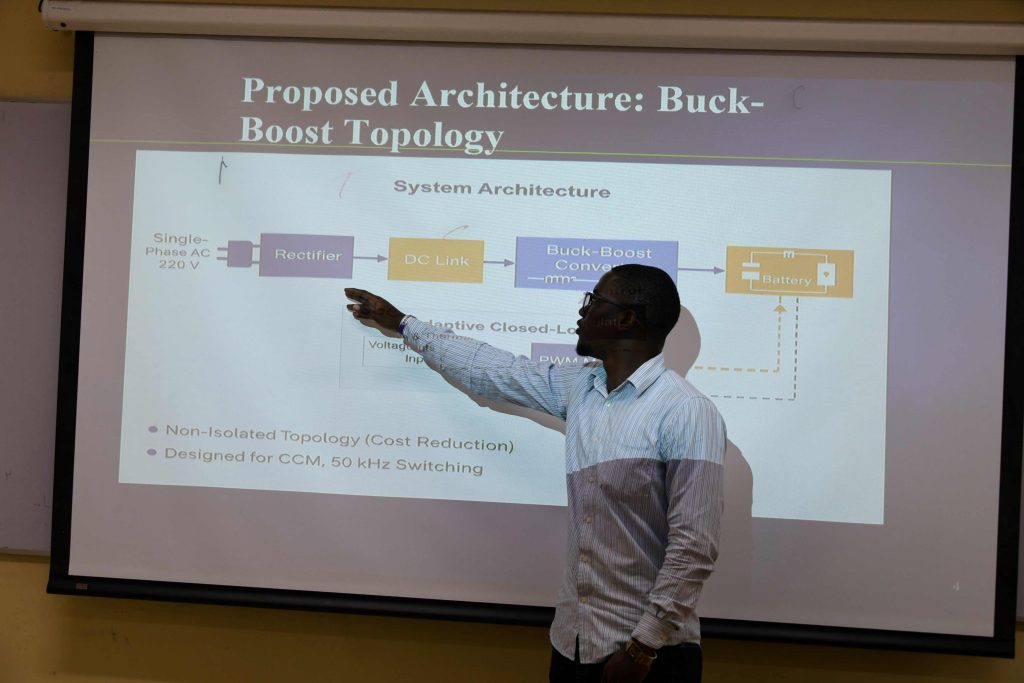
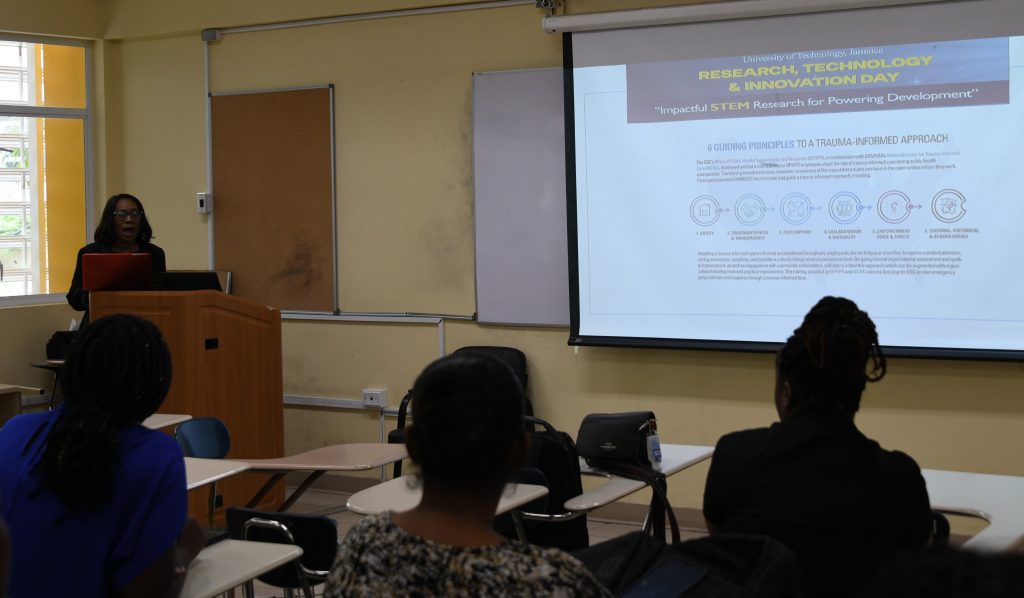
Complementing the exhibits, the Speaker’s Forum highlighted several impactful research topics such as Climate Risk to Community Resilience: Equity-Driven Multi-Energy Systems Planning, Centering Post-Crisis Education around Trauma-Informed Pedagogy, An Examination of Natural Disasters and Tourism Opportunities in the Caribbean, and Factors Influencing the Relationship between Caregiver Burden and Family Support in Schizophrenia Patients.
STEM critical to Jamaica’s development
Addressing the opening ceremony, Dr. Kevin Brown, President, University of Technology, Jamaica, emphasized the institution’s STEM-focus and the critical role of science, technology, engineering and mathematics (STEM) to Jamaica’s future development. He stressed that Jamaica’s long-term growth depends on “building a knowledge-based society” driven by STEM education and innovation, noting that such societies rely on highly educated populations and high-value, knowledge-based jobs. He added that Jamaica already possesses significant intellectual talent: “what Jamaica has is brain power and if we can unleash that brain power, not in America, but right here, it could be quite transformational.”
Highlighting UTech, Jamaica’s longstanding emphasis on practical STEM education and research that can generate real economic impact, Dr. Brown noted that “some of us think that research is just an academic exercise but… you can convert research outcomes into money, into economic benefit,” he asserted. The President encouraged students to engage with the exhibitions and presentations throughout the day and to explore their own ideas using the technology available to them.
Research driving national transformation
Professor Shermaine Barrett, Deputy President and Provost, UTech, Jamaica, noted “Today’s event celebrates the remarkable work of our faculty, researchers, and students whose curiosity, creativity, and commitment to excellence continue to drive meaningful solutions to the challenges facing Jamaica, the Caribbean, and I dare say the world.”
Professor Barrett emphasised that research at the university is intended to be “a powerful engine for national transformation.” She added that the university’s work in STEM aims to generate knowledge, develop innovative technologies, and create practical solutions that strengthen industry, enhance public services and improve citizens’ quality of life. “Equally important, this event brings together academia, industry partners, government stakeholders, students and members of the wider public, reinforcing the collaborative ecosystem that is essential for innovation and sustainable development,” said Prof Barrett.
UTech, Jamaica as a platform for research engagement
Dr. Paul Ivey, Associate Vice President, Graduate Studies, Research and Entrepreneurship described RTID as UTech, Jamaica’s “premier showcase where we essentially show off all of the cutting-edge research, the relevant research that our students and our faculty members have been undertaking,” he explained.
Dr. Ivey also highlighted the broader role of universities in society, noting that they are dedicated to advancing knowledge and improving the world. “A university is much more than a site of instruction. It is a community of scholars, researchers, and innovators engaged in systematic inquiry, discovery, and the responsible application of the results,” he said.
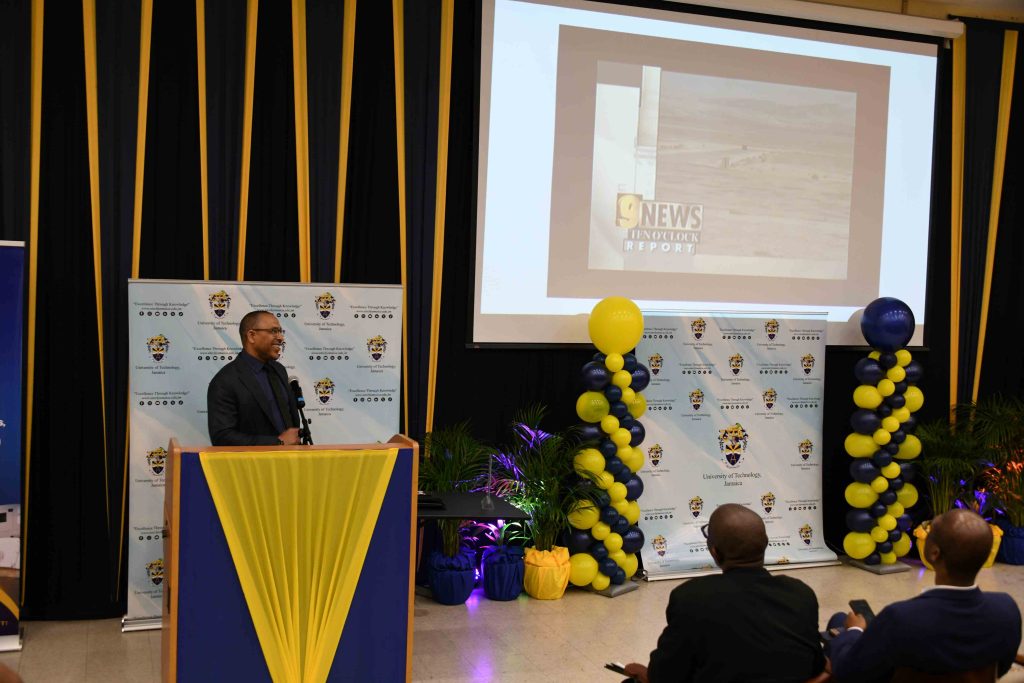
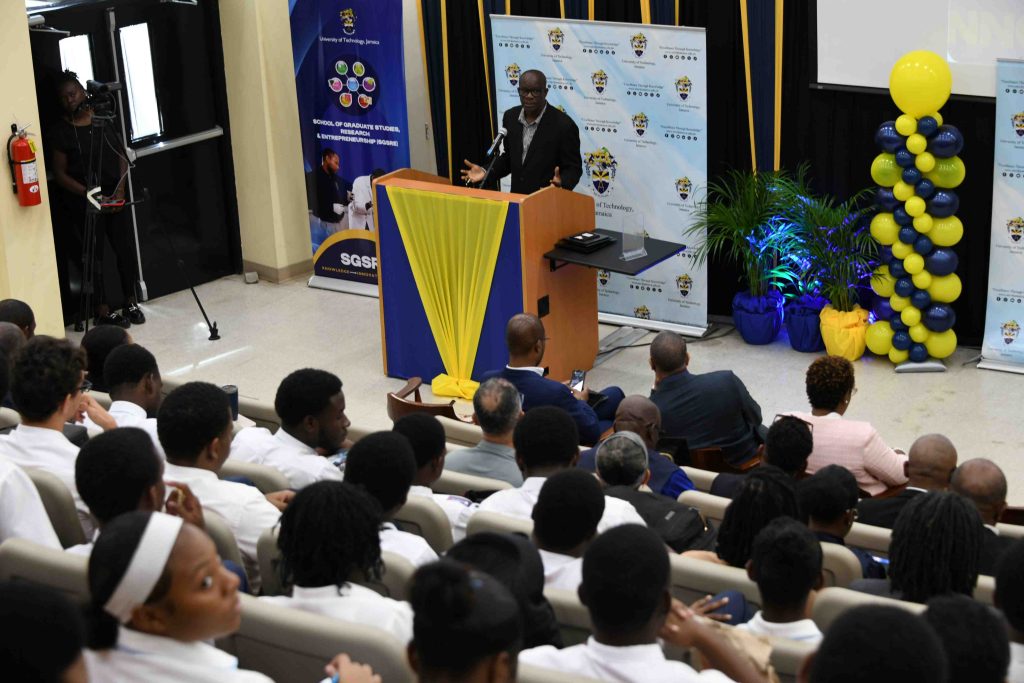
The keynote address was delivered by internationally renowned Jamaican computer vision and robotics researcher, Professor Camillo Taylor, who is Raymond S. Markowitz President’s Distinguished Professor at the Department of Computer and Information Science, University of Pennsylvania. Professor Taylor is widely recognized for his pioneering work in computer vision, robotics and artificial intelligence, including advances in 3D reconstruction, vision-guided robot navigation, and intelligent camera systems.
Professor Taylor noted that he accepted the university’s invitation to give the keynote, without hesitation, sharing that his visit continued a longstanding collaboration between the two institutions. “We’ve had a couple of very successful joint programmes with UTech over the years. We’ve been able to bring students from the University of Pennsylvania down here to work with students at UTech and UWI on a variety of STEM related projects,” Prof. Taylor said.
In an engaging presentation inclusive of video clips of his work in the field of robotics, Professor Taylor emphasised the broader value of scientific inquiry. “Research is really the process of turning ideas into technology,” he said, explaining that many modern innovations such as early work on automated driving systems in the 1990s, began as experimental concepts developed by researchers.
Explaining that robotics research focuses heavily on enabling machines to understand and navigate the world around them, Prof Taylor highlighted his recent work on projects involving autonomous drones capable of navigating complex environments without GPS. “Once you launch, everything else that the robot does has to be done on board,” he said, while explaining that the robot will have to analyze the situation in real time without communication or prior mapping. “It has to figure out where it is relative to its goal. It has to automatically be able to construct a three-dimensional map of its environment, and it has to be able to plan a collision free path for this rather dynamic platform.”
Professor Taylor highlighted that these technologies are increasingly being applied in practical settings, from food delivery robots to agricultural systems operating in greenhouses across several countries. He also described his ongoing work involving teams of robots designed to assist in emergency response situations. A project that he and his team are actively working on aims to deploy drones and ground robots to survey disaster areas and identify injured persons so that medical teams can respond more effectively. “What we would like to be able to do is come up to the scene with a team of robots and have them go out and automatically survey the area, figure out where the human casualties are and assess them, figure out how badly they’re hurt. with the idea being that we can then direct the medical attention most efficiently,” he said, adding that modern robotics draws on several fields including engineering, computer science and artificial intelligence.
-END-
Photo Highlights
Contact:
Michelle Beckford (Miss)
Corporate Communications Manager
Corporate Communications Unit
University of Technology, Jamaica
237 Old Hope Road, Kingston 6
Tel: (876) 927-1680-8 Ext: 2299
Cell: (876) 818-5893
Email: mbeckford@utech.edu.jm