
Faculty of The Built Environment
June 17-19, 2026
Caribbean Urban Forum 2026
On the Frontlines: Rethinking Resilience & Recovery in the Caribbean.
Conference Overview
Welcome to the CUF 2026
The Caribbean Urban Forum (CUF) is an international conference on urban planning and development, land management and other spatial planning topics focussed specifically on the Caribbean region. Since 2011, CUF has been hosted by various Caribbean cities and has become the main opportunity for urban practitioners to share experience and knowledge through regional dialogues.
CUF 2026 is a collaboration between the University of Technology, Jamaica, The Kingston and St. Andrew Municipal Corporation, Island City Lab, Jamaica Institute of Planners and blueSpace Caribbean. This 15th Annual Caribbean Urban Forum will be held from June 17th – 19th 2026. The 2026 theme On the Frontlines: Rethinking Resilience and Recovery in the Caribbean aims to spur reflection on the region’s experiences with disasters and crises and advance a more critical and resilience-based approach.
Theme
With more frequent, frequent, intense and varied disasters, resilience has to be proactive and holistic considering not just built and engineered intrastructures but also social infrastructures of communities and local actors. Disasters unearth and amplify longstanding inequities around land distribution, critical utilities and the processes that inform how people build, obtain and retrofit their homes. Equally concerning is the impact these cycles of disaster and recovery have on the operations of local governments, and public institutions who are usually the first line of disaster response.
Location
Jamaica Pegasus Hotel, Kingston, Jamaica
Call for Abstracts
Social Infrastructures
-
In the critical first few days following the passage of Hurricane Melissa, formal and state emergency services were overwhelmed, delayed and unprepared for the level of devastation. Social networks of families, communities, churches, diaspora groups and civic actors quickly organized themselves to provide lifesaving resources for marooned and devastated parts of the island. This themes asks:
- How do we support/encourage decentralized community-based emergency management groups to tackle immediate disaster response?
- What is the role of civic actors in the communication of disaster risk, deployment of aid, provision of shelter and post-disaster reconstruction? How do local community actors communicate needs through a bureaucratic state system?
- What is the role of the state in coordinating and supporting these local community actors towards more efficient disaster response?
- How can public spaces, markets, schools, churches and community centers facilitate emergency management and response in an efficient and equitable way?
The Business of Cities
-
Whether national or municipal, budgets are always a statement of values. They demonstrate who/what we care about and who/what we consider sacrificial. With COP30 failing to secure sufficient adaptation financing for the region, what are the avenues for disaster-prone cities of the Caribbean? With our existing resources, how do we reimagine the exercise of budgeting to meet the need for resilient communities, infrastructure and public institutions within an era of multiple and diverse crises? This theme asks:
-
What is a unified approach to climate reparations and other adaptation funding mechanisms?
- How do we assess the pros and cons of different adaptation infrastructure, especially considering factors like cost, maintenance burdens, etc? How are local governments capitalized to be the first-line of the state’s response to disasters?
- How can cities facilitate more citizen involvement in the budgeting process (i.e. participatory budgeting)? What are the appropriate climate financial products to address damage and loss at the individual, community and city levels?
Housing, Shelter & Settlement
- More than 150,000 homes across Jamaica were damaged due to Hurricane Melissa. Families' ability to rebuild is dependent not just on technical factors like the level of damage and the materiality but also on socio-political factors like land tenure and household income. In Westmoreland, one of the hardest hit parishes, an estimated 60% of homes are built out of wood - signalling an insecure relationship to the land based on a chronic lack of land security and land reform. This theme asks:
- How does land tenure impact a community's ability to recover and rebuild?
- What are reasonable and affordable building standards for non-concrete homes in the Caribbean?
- How do we consider immediate disaster shelter solutions (tents, prefab homes, etc) for the Caribbean context?
- How can homes be affordably retrofitted to manage environmental and climatic risks?
- How can construction and technical guidance be given to communities so they can lead the rebuilding of their own homes?
Disaster Planning Continuum
- Within the five days prior to the passage of Hurricane Maria, Cuba was able to evacuate more than 700,000 persons resulting in 0 deaths. Jamaica’s system of emergency evacuation failed, with people unaware or underappreciating the risks and or lacking faith in the shelter system to protect them. However diverse the reasons, 45 lives were lost. Disaster and climate planning in the era of climate collapse in the Caribbean is never linear, it is a continuum cycling from preparedness to immediate response, to long term recovery- over and over again. This theme asks:
- How can state actors more effectively communicate disaster information to the public?
- How do state agencies share data, risk assessments before, during and after a disaster?
- How can and should the field of emergency management inform long-term planning and infrastructure development decisions?
- How do state actors practice emergency protocols before the disaster hits?
- How are emergency shelters designed, operated and maintained to be a safe haven during disasters?
Protective Infrastructures
-
Each successive hurricane has been followed by announcements of “Build back better” or “ Build back smarter”. But with a clear understanding that our built and engineered infrastructural systems are not meeting the needs of this new climate reality perhaps we need to ask whether these hardened defenses need to be reimagined and retrofitted? How do we adapt drainage, mobility and waste infrastructures built decades ago to meet the needs of a more dense population exposed to more extreme environmental conditions? This theme asks:
- What are the small to medium scale green infrastructures that can aggregate towards more resilient communities?
- How can municipal scale green infrastructure better manage stormwater management?
- What is the role of urban planning in land use and the siting of various infrastructures?
Reimagining SIDS Caribbean Development Futures
- Caribbean Small Island Developing States (SIDS) are confronting overlapping crises of climate change, economic precarity, social inequality, and institutional strain. These realities demand a rethinking of development beyond inherited models that prioritize short-term recovery, external solutions, and narrow economic metrics. This theme creates space for interdisciplinary, creative, and speculative approaches that explore alternative Caribbean development futures, ones that are climate-responsive, culturally grounded, socially just, and attentive to the interconnectedness of urban and rural systems. This theme asks:
- What alternative development models and futures-thinking approaches are emerging from Caribbean and Global South contexts?
- How can urban and rural development be planned as interdependent systems that strengthen resilience, livelihoods, and food security?
- What roles do culture, creativity, storytelling, and collective memory play in shaping how Caribbean societies imagine and pursue resilient futures?
- How can indigenous, vernacular, and community-based knowledge systems inform planning, adaptation, and development practice?
- How can education, youth leadership, technology, and innovation ecosystems be mobilized to support long-term, inclusive development in Caribbean SIDS?
SUBMISSION REQUIREMENTS
All submissions require an original abstract (must not have been submitted to other conferences/ publications) with a maximum of 300 words.
The abstract should (a) state the problem being addressed; (b) describe the activities in the work that have addressed the problem and (c) the relevance of the paper/poster/workshop to the theme and/or sub-theme.
Submissions are invited under the following formats:
- Papers
- Posters
- Panel Discussions
- Interactive Workshops
All abstracts should be submitted to the portal by March 31, 2026.
IMPORTANT DATES
EXTENDED Abstract Submission Deadline: March 31, 2026
Notification of Abstract Acceptance: April 17, 2026
Conference Dates: June 17 – 19, 2026
CUF 2026 PUBLICATION OPPORTUNITIES
Selected papers from the conference will be considered for publication through the University of Technology’s Press.
Authors will have the opportunity to incorporate feedback from the conference presentation into revised submissions.
CONTACT INFORMATION
CONTACT
Email: caribbeanurbanforum@gmail.com
WhatsApp: 876-549-6042
Instagram: @cuf2026.jm
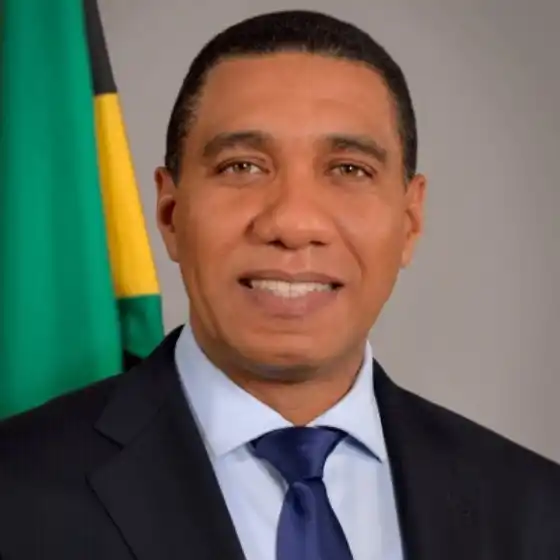
The Most Honourable Andrew Michael Holness ON, PC, MP
Prime Minister of Jamaica
Keynote Speaker
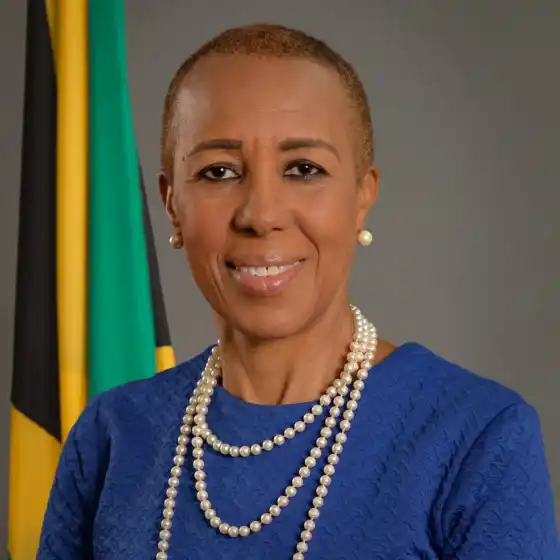
The Honourable Fayval Williams, MP
Minister of Education and Youth
Minister of Government
The Honourable Fayval Williams, MP
Minister of Education and Youth
The Hon. Fayval Williams, MP, is Minister of Education and Youth. Mrs. Williams is a Chartered Financial Analyst (CFA) by profession. She has an MBA with concentration in Finance from the Wharton Business School at the University of Pennsylvania and a BA (cum laude) in Economics from Harvard University in Cambridge, Massachusetts.
Mrs. Williams was elected Member of Parliament for St. Andrew Eastern in the recent general election and was the former Executive Director of Kingston Properties Limited.
Prior to Kingston Properties, Mrs. Williams served as Chief Investment Officer of JMMB Limited from March, 2005 to September, 2007 with investment responsibilities spanning the trading department, investment research, and pensions. Also, during the period September 2002 to February 2004, Mrs. Williams consulted with JMMB in the areas of market risk management and investment research where she led that company’s efforts to develop investment research capabilities. Mrs. Williams also served as the Head of the Valuation and Pricing team for JMMB’s public offering.
In 2004, Mrs. Williams consulted with the Financial Services Commission (FSC) in the area of Research and Policy. Prior to returning to Jamaica, Mrs. Williams was Senior Vice President at Putnam Investments, in Boston, a top-10-global mutual fund manager. Her investment work spanned a broad cross-section of industries. She also had portfolio management responsibilities for an equity portfolio product and led Putnam’s efforts to incubate a market neutral hedge fund.
Mrs. William’s investment experience also includes approximately five years as Vice President at Wellington Management Company in Boston, Massachusetts. Her focus was on fixed income securities investments. Prior to Wellington, she was a Fixed Income Analyst at Northwestern Mutual Life Insurance Company in Milwaukee, Wisconsin and shared portfolio management responsibilities for a US$3 billion portfolio. She was a member of the team that provided macro-economic and market input for both the strategic and tactical portfolio decisions.
Mrs. Williams also gained experience at the Equitable Real Estate Investment Management in Chicago, Illinois. While there, she performed valuation analysis on commercial real estate properties. She also worked as an Information Systems Analyst for Morgan Stanley an American multinational financial services corporation that provides securities products and services to customers, including corporations, governments, financial institutions, and individuals.
Conference Speakers

Leonard A. Francis, JP
Chief Executive Officer for the National Environment and Planning Agency (NEPA)
Leonard A. Francis
CEO, GOVERNMENT TOWN PLANNER, JP
Leonard A. Francis is the Chief Executive Officer for the National Environment and Planning Agency (NEPA) in Jamaica since April 2, 2024. He is a trained environment and planning professional with more than 30 years of experience.
Mr. Francis has done and supervised research in a number of areas including, noise, parking, the development approval process, green and open spaces, masterplans, densification of the Kingston Metropolitan Area, Green Development Principles, Development Standards, Urban Development Policy, Restrictive Covenants, Sustainable Development, and issues related to Climate Change amongst other matters.
He is an adjunct lecturer at the University of Technology in the Urban and Regional Planning Programme. In addition, he has been a Member and Chairman of the Urban and Regional Planning Advisory Committee at the University of Technology and has been a regular presenter at several Local and Regional Workshops and Conferences.
Mr. Francis possesses a Master’s Degree in Planning from the University of Ryerson, Toronto, Canada as well as an MBA in Public Sector Management from the University of the West Indies, Mona. He also holds a First Degrees in Environment and Planning, Economics and Management and an LLB.
Mr. Leonard Francis has participated and received training in several areas, such as, Conflict Resolution, Public Sector Senior Leadership Development Programme, Green and Innovative Development, Preparation of Cabinet Submissions, Project Management, Performance Management, Integrated Environmental, Protocol and Business Etiquette, Stress and Time Management, Enhancing Recruitment and Selection Skills for Greater Productivity and Cutting the Bureaucratic Red Tape amongst others.
Mr. Francis is an executive member of the Caribbean Planning Association and represents the organisation as Co-chair of the Comprehensive Disaster Management (CDM) Physical and Environmental Planning Sector Sub-Committee of the Caribbean Disaster Emergency Management Agency. He is a member and has held a number of executive posts in the Jamaican Institute of Planners
He is a member of several Boards, Authorities and/or Committees which includes the Negril Green Island Area Local Planning Authority, the Planning and Development Committee of the Urban Development Corporation, the Educom Co-operative Credit Union, the International Centre for Environmental and Nuclear Sciences, the Jamaica Railway Corporation, Jamaica Civil Service Housing Company Limited, the Gregory Isaacs Foundation and the Evans Early Childhood Institution.

Una May Gordon
Senior Climate Change Expert & Resilience Advisor
Una May Gordon
Senior Climate Change Expert & Resilience Advisor
Una May has over 40 years’ experience successfully intersecting policy formulation and development programmes in agribusiness, natural resources management, climate change adaptation and mitigation. For six years & up to July 2022, she served as the Principal Director, Climate Change for the Government of Jamaica Ministry of Economic Growth & Job Creation where she was responsible for building out Jamaica’s climate change agenda, developing a shared vision among all stakeholders for the implementation of sustainable & transformative actions.
She currently works as an independent expert supporting governments, private sector, civil society and other institutions across the Caribbean region & globally, to increase their access to climate finance, promote climate governance and integration of climate risk into planning & decision making processes. For five years & up to June 2024, she served as Chair of the Board of Governors of the Caribbean Community Climate Change Centre (CCCCC). She is the current Co-Chair of the Board of Directors of the Caribbean Climate Smart Accelerator (CCSA), Board member of the Caribbean Sustainable Energy & Innovation Institute, and Board member of Recycling Partners of Jamaica.
Una May holds a Master of Science in Environmental Sciences from Wageningen University and a Bachelor of Science in Agronomy (Hons) from the University of the West Indies. She was awarded an Honorary Doctorate of Laws in Humanities for her outstanding contribution to the field of rural development in the Americas. She is an I Change Nation Golden Rule Ambassador. .

Mr. Olivier Guyonvarch
Ambassador of France to Jamaica
Olivier Guyonvarch
Ambassador of France to Jamaica
Born on the 18th of August 1965, Mr. Olivier Guyonvarch is a Senior Foreign Affairs Advisor. He was bestowed the honour of Knight of the Order of Merit (Chevalier de l’Ordre du Mérite), and is the recipient of the Foreign Affairs medal (gold level), as well as the medal of National Defense Volunteer Services and is a reservist citizen of the French Navy (CF).
He is a career diplomat and specialist in China and the Law of the Sea. Prior to joining the French Ministry of Foreign Affairs, he pursued a technical degree in agriculture (1986). With a passion for Chinese language and culture, he completed a Master’s degree in 1990 and from 1988, paid frequent visits to China and was posted 3 times.
He joined the French Ministry of Foreign Affairs by way of the professional examination (concours) for Secretary of Chancery (1996-1998), and then was promoted through examination to Secretary (2001) and Counsellor (2004).
He started his carrier at the Quai d’Orsay within the Department of Financial and Budgetary Affairs (1996-1998), and was subsequently appointed Vice-Consul of the Consulate General of France in Wuhan, China (1998-2001).
Following his posting in Wuhan, he returned to Paris to work within the Department for Asia and Oceania, as Desk Officer (2001-2005), firstly at the sub-directorate for Southern Asia, then the sub-directorate for the Far Eastern Orient (in charge of Chinese interior policy).
He was then posted to the Embassy of France in Beijing from 2005 to 2008 as the Head of the Press and Communications Section, then at the Embassy of France in Singapore as First Counsellor and Deputy Head of Mission (2008-2012). On his return to Paris he chose the position of Assistant Director of the Law of the Sea, of River law and Poles, within the Legal Affairs Department (2012-2016). It is during that period that he visited Kingston four times to head the French delegation at the International Seabed Authority.
He returned to Beijing in 2016-2017 as Advisor to the Ambassador on questions of international law and security. He was then appointed Consul General of France in Wuhan (2017-2021), a period marked by the outbreak of the Covid-19 pandemic and the evacuation by air, organized by France, of 520 French citizens, Europeans and citizens of other nations.
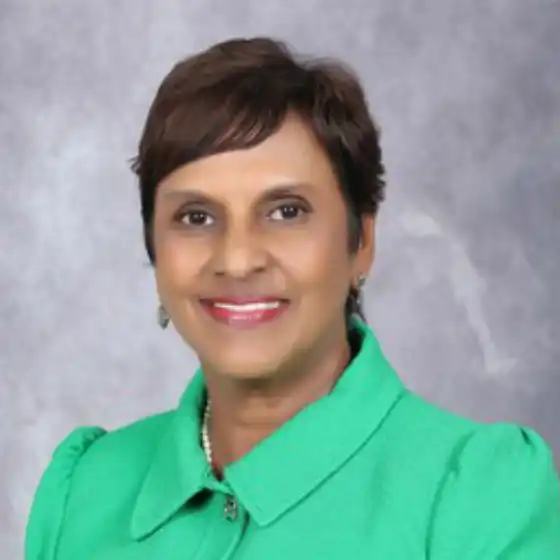
Dr. Ruth Potopsingh
Consultant in Energy and Environment, Former Associate Vice President-Sustainable Energy and Head, Caribbean Sustainable Energy and Innovation Institute (CSEII), UTech Ja
Dr Ruth Potopsingh
Consultant in Energy and Environment
Former Associate Vice President-Sustainable Energy and
Head, Caribbean Sustainable Energy and Innovation Institute (CSEII), UTech Ja
Ruth Potopsingh has a distinguished career in energy , environmental management, development planning, corporate governance and policy development. A graduate of the University of the West Indies and the University of London, she holds a PhD in Sustainable Development, an EMBA and an MSc in Urban Development Planning. A Commonwealth Scholar, her passion is for sustainable development in the face of a global climate crisis. She was awarded by CARICOM as an outstanding woman in sustainable energy 2023.
She has over thirty-five years’ experience in the energy sector, most of which were at the Petroleum Corporation of Jamaica (PCJ) where her ultimate position was Group Managing Director. There, she led National Energy Efficiency and Conservation programs; spearheaded the national program which saw the removal of lead in gasoline and introduction of two octane grades of gasoline. She was to later work on realizing 10% ethanol in gasoline in a bid to see cleaner fuels in the local market .
Her work in the petroleum sector saw the introduction of several environmental standards and regulations ranging from fuel quality to oil spill contingency planning and the prevention of ground water contamination. Her environmental commitment positioned her well to advance for Jamaica’s renewable energy transition from its inception. Preparing the first Bioenergy Resources Assessment for Jamaica she initiated research in 5 species of fast-growing trees to address deforestation as a result of the increased use of charcoal for cooking. She pioneered the Jamaica Solar Energy Association to stimulate commercial interest in the industry and was part of the decision to build the first commercial wind farm at Wigton.
Dr Potopsingh was a key player in the advancement of Jamaica’s National Energy Policy 2009 -2030 and its draft sub policies as well as a contributor to Vison 2020, Jamaica’s National Development Plan.
Transitioning from corporate Jamaica to academia in 2010 she joined the University of Technology, Jamaica where she was Associate Vice President- Sustainable Energy. There she forged local, Caribbean Regional and International alliances to highlight the nexus between energy and climate change and introduced a cutting edge Master’s degree program in Sustainable Energy and Climate Change . She participated in a number of international sponsored research projects and managed a green hydrogen project, a Global Fuel Economy project for the Government of Jamaica .
At the university she obtained sponsorship from the JPS which installed a 100 kilowatt solar system which is a first step for the wider adoption of renewable energy on the Papine Campus engaging students and staff in energy management as volunteers. Dr Potopsingh is currently a consultant in energy and environment.

Theresa Rodriguez-Moodie
Chief Executive Officer of the Jamaica Environment Trust (JET)
Theresa Rodriguez-Moodie, PhD.
Chief Executive Officer of the Jamaica Environment Trust (JET)
Dr. Theresa Rodriguez-Moodie always had a passion for the environment growing up. She developed this love even further after completing her BSc in Geography. She went on to complete her PhD in Geography at the University of the West Indies, Mona in the area of coastal geomorphology and paleoclimatology.
Dr. Rodriguez-Moodie has worked as an Environmental Scientist and Climate Change Vulnerability Specialist both locally and regionally, for private sector, government and multilateral agencies such as the World Bank Group and the IDB. She has extensive knowledge of IFC and IDB environmental and social safeguards and policies. In her over 10 years of experience she has developed specific skills in conducting environmental assessments, hazard analysis and mitigation, climate vulnerability and risk assessments.
In July 2021, she became the CEO for the Jamaica Environment Trust where she has been leading its environmental advocacy and working on projects geared towards the protection of Jamaica’s natural resources and public health. Her advocacy efforts focus heavily on the need for greater environmental monitoring and enforcement, access to environmental information, the need for transparency and public engagement in Jamaica. In her work she also addresses challenges posed by extractivism and deep-sea mining, proposing actions for the government to honour the Jamaican Constitution which guarantees all Jamaicans a right to a healthy environment.

Judith Slater
British High Commissioner to Jamaica
Judith Slater
British High Commissioner to Jamaica
Judith Slater succeeded Asif Ahmad CMG as British High Commissioner to Jamaica on 13 October 2021. She’s the first woman British High Commissioner to Jamaica.
Judith was Consul-General in Istanbul and simultaneously HM Trade Commissioner for Eastern Europe and Central Asia, covering 14 markets. Prior to this, she was Deputy High Commissioner and South East Asia Regional Director of Trade and Investment in Singapore until September 2015.
Her previous posts include Deputy High Commissioner in Pretoria, South Africa from 2007 to 2011 and British Consul-General in Houston, Texas from 2004 to 2007. In the FCDO in London, Judith’s posts have included Private Secretary to the Minister of State responsible for relations with Asia and Head of Nuclear Policy Section in Non-Proliferation Department. She has also had overseas postings in New Delhi and Canberra.
Judith has a law degree from St John’s College, Cambridge. She attended Howell’s School, Denbigh, Denbighshire, Wales in the UK.
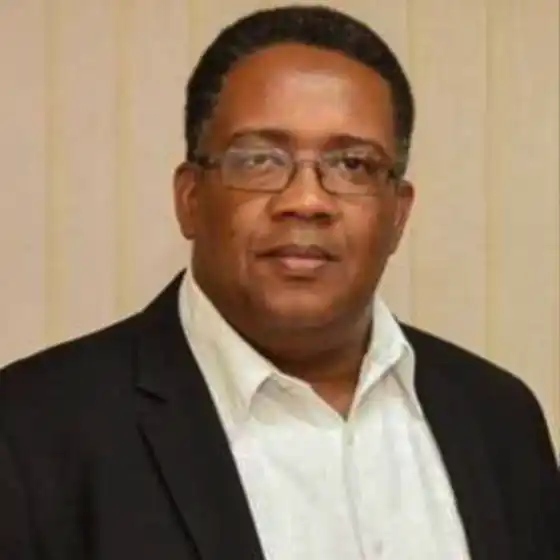
Michael Taylor
Professor of Climate Science and Dean of the Faculty of Science and Technology, Mona Campus, The University of the West Indies (UWI
Michael Taylor
Professor of Climate Science and Dean of the Faculty of Science and Technology, Mona Campus, The University of the West Indies (UWI
Michael Taylor is Professor of Climate Science and Dean of the Faculty of Science and Technology at the Mona campus of The University of the West Indies (UWI), Mona Campus.
He is the co-director of the Climate Studies Group, Mona (CSGM) a research body which explores climate variability and change for the Caribbean region. He is well published and cited for his scientific work on the impact of climate change on the small islands of the Caribbean region.
He is a Coordinating Lead Author on the Special Report on 1.5 Degrees of the Intergovernmental Panel on Climate Change (IPCC), a Silver Musgrave Awardee for Science (2013), and the 2019 ANSA Caribbean Laureate for Excellence in Science. In 2021 he was named amongst Apolitical’s 100 Most Influential Academics in Government globally.
Most recently, he authored a chapter The Climate Book. Prof. Taylor was recently appointed as a TWAS Fellow (effective January 1, 2024).
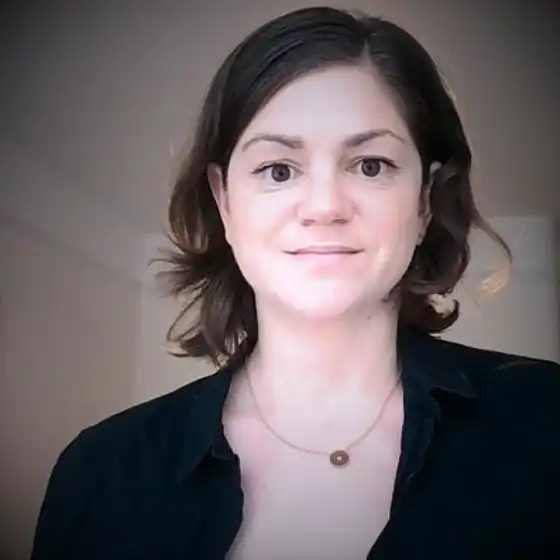
Dr. Emily Wilkinson
Principal Research Fellow in ODI's Global Risks and Resilience Programme and Director of the Resilient and Sustainable Islands Initiative (RESI)
Dr. Emily Wilkinson
Principal Research Fellow in ODI's Global Risks and Resilience Programme and Director of the Resilient and Sustainable Islands Initiative (RESI)
Dr. Emily Wilkinson is a Principal Research Fellow in ODI’s Global Risks and Resilience Programme and Director of the Resilient and Sustainable Islands Initiative (RESI).
She has 25 years’ experience as a researcher, analyst, journalist, lecturer and adviser to government, providing critical analysis and leading debate on climate and disaster risk governance and financing.
Emily is a specialist in Small-Island Developing States (SIDS), focusing on climate policy, access to finance and opportunities for long-term development in an era of accelerating climate change. She served as Chief Scientific Adviser to the Climate Resilience Agency for Dominica (CREAD) from 2019-2023, supporting the nation’s ambition to become the world’s first climate resilient nation, and is a senior adviser to the Alliance for Small Island States (AOSIS).
Emily has led major research and learning programmes on adaptation and resilience to climate extremes and disasters, and published over 50 journal articles, reports and book chapters. She holds a PhD in Human Geography from University College London.
Registration Fees
Below are the conference registration fees. We encourage you to take advantage of our early bird registration fee.
Conference fees must be paid using the UTECH Payment Portal using “Caribbean Urban Forum 2026″ as the event name. The payment portal does require you to make an account, and register a credit card before making a payment.
USD $
-
Early Registration (by April, 24) $325.00
-
Regular $375.00
-
Presenters/Panelists $275.00
-
Foreign Students $175.00
JMD $
-
Early Registration (by April, 24) $52,000.00
-
Regular $60,000.00
-
Presenters/Panelists $44,000.00
-
Foreign Students $28,000.00